


Winter Shed Safety: Preventing Ice, Leaks, and Damage
December 15, 2025
December 15, 2025
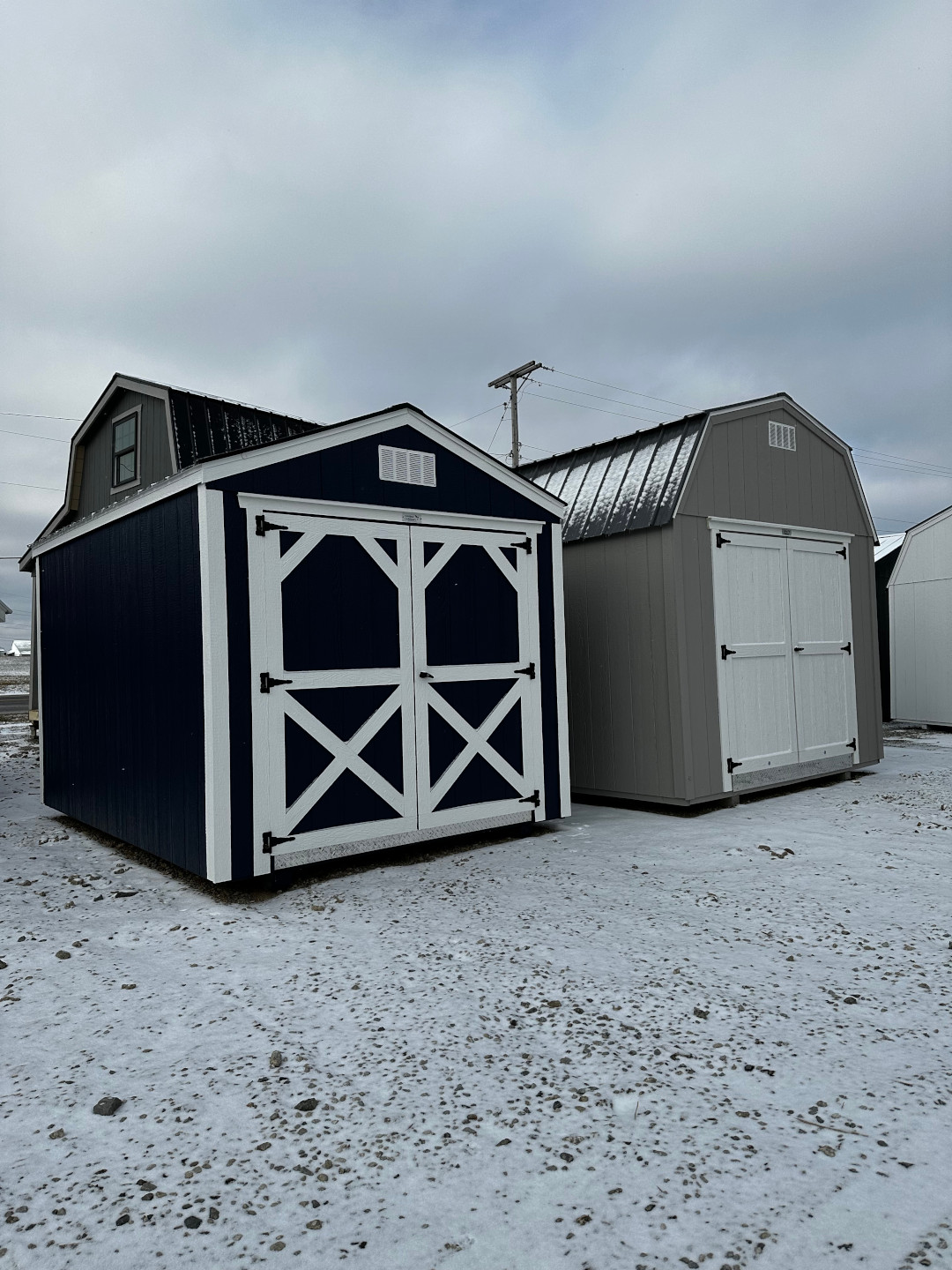
Ohio winters can be tough on outdoor structures, and your shed is no exception. Snow, freezing rain, and temperature swings all put stress on the roof, walls, doors, and interior. A little preparation now can prevent costly repairs, keep your tools protected, and extend the life of your shed for years to come.
Whether you use your shed for storage, yard tools, hobbies, or seasonal décor, winter safety starts with smart maintenance and smart prevention. Here’s how to protect your shed from ice, leaks, and winter damage so it stays in great shape all season long.
Your shed roof is the first line of defense against winter weather. Heavy snow and repeated freezing and thawing can cause cracks, leaks, or sagging if the structure isn’t prepared.
Take a few minutes to walk around your shed and look for:
Clearing leaves and branches allows melting snow to drain properly. If your roof already has small gaps or signs of wear, addressing them now helps prevent water intrusion once winter hits.
Snow piling on the roof creates excess weight. Over time, that pressure can warp supports, loosen fasteners, or cause leaks. After big storms, gently remove snow from accessible areas using a roof rake or soft broom. Avoid scraping or using sharp tools that could damage shingles or panels.
Around the base of the shed, clear snow from entry points so doors can open smoothly. Ice melt can help, but use it sparingly to avoid damage to wood or metal surfaces.
Good airflow around the shed helps ice melt faster, so keep shrubs, tall grass, or stored items from touching the exterior walls.
Cold air and moisture often sneak in through small cracks around doors and windows. These gaps can lead to drafts inside the shed, making stored items more vulnerable to moisture and freezing.
Simple fixes help protect your shed through winter:
A tightly sealed entry keeps your shed warmer and reduces the risk of moisture damage on interior walls or stored tools.
Even strong sheds can develop issues at the base if winter moisture sits too long. Water pooling around the foundation can cause freezing that loosens blocks or shifts the structure slightly.
Before winter sets in, check for:
If water tends to collect near your shed, adding gravel or improving the grade around the structure helps divert moisture away. Inside, place pallets or rubber mats under tools and equipment to keep them off the floor, adding an extra protective layer from cold and dampness.
Even when the shed itself is ready for winter, the items inside need protection from freezing temperatures and condensation. Cold conditions can crack plastic parts, make fuel lines brittle, or cause rust.
To protect your gear:
Snowblowers, generators, and other heavy tools should be placed near the door for easy access after storms, reducing the need to drag them through tight spaces.
Winter days are short, and grabbing tools from a dark shed can lead to slips, bumps, or damage. Adding simple lighting, like battery-powered, solar-powered, or wired-in, helps you see clearly when snow has already fallen or when you’re heading out early in the morning.
Motion lights outside the shed also improve safety, especially if you’re carrying a shovel, snowblower fuel, or bags of salt.
Accessing your shed safely is just as important as caring for the shed itself. Snow and ice around the entry can make opening the door difficult or even hazardous.
Keep a small path shoveled after each snowfall. A walkway free of ice and deep snow prevents slips and makes it much easier to move equipment in and out, especially if your shed has a ramp.
If you have a ramp, check it regularly for ice buildup. A traction pad or non-slip surface can make a big difference during icy weeks.
Some items stored in sheds don’t handle freezing temperatures well. Liquids like paint, cleaners, and certain adhesives lose their effectiveness or separate when left in cold environments.
Before freezing temperatures hit:
Removing these items reduces the risk of leaks, spills, or damaged products when temperatures drop.
No matter how well you prepare, winter weather can reveal areas that need improvement. Use the season as a chance to take notes for spring updates—like adding more ventilation, upgrading your shed roof, or adding better drainage around the structure.
Small improvements can extend the life of your shed and prevent future winter issues.
Does your shed struggle through winter each year with leaks, drafts, shifting walls, or a lack of space? It may be time to invest in a structure built to handle Ohio conditions. NuHaus offers outdoor storage sheds designed to withstand harsh winters, keep your items protected, and stay functional year-round.
Whether you’re upgrading your current shed or choosing a new one, our team can help you find a strong, long-lasting solution.
Ready to prepare for winter?
Visit one of our lots or contact us to learn more about sheds built for Ohio winters and the demands of every season.